

Auckland is New Zealand’s largest city and its most diverse, a sprawling harbour city of volcanic cones, beaches and islands where a third of the country’s people live. In 2026 it also became one of the starred cities of the Michelin Guide. When the first Michelin Guide New Zealand was presented on 30 June, Auckland took five of the country’s 15 starred restaurants and 13 of its 35 Bib Gourmands, more than any other city. Two months later, the Cuisine Good Food Awards gave four Auckland restaurants their top rating of three hats.
For travellers, Auckland is the country’s main gateway, with direct long-haul flights from Asia, North America and the Middle East, and the city’s restaurants make it easy to eat well around a busy schedule. What follows is organised by the kind of meal you are after, starting at the top. For the rest of the country, see our guide to New Zealand.
Tala: the Samoan star
Tala, in Parnell, is the story of Auckland dining in 2026. The 23-seat restaurant, which turns three in November 2026, is the world’s only Michelin-starred Samoan restaurant, and chef and owner Henry Onesemo was named Chef of the Year at the 2026 Cuisine Good Food Awards, where Tala again received three hats. Earlier in the year, it was named in TIME’s list of the World’s Greatest Places for 2026.
The cooking celebrates the flavours and traditions of Samoa and the wider Pacific, from coconut and taro to dishes cooked in the umu, the traditional earth oven, and it reflects Auckland’s identity as the largest Polynesian city in the world. With so few seats, it needs booking well in advance.
Ahi and Paris Butter
Ahi, chef Ben Bayly’s restaurant at Commercial Bay on the downtown waterfront, holds a Michelin star and three hats. Its menu celebrates New Zealand’s seasonal produce, from lamb and venison to seafood and native ingredients, and its central location makes it the obvious choice for a business lunch or a dinner with guests.
Paris Butter, in the leafy suburb of Herne Bay, also holds a star and three hats, with refined cooking that blends French technique with New Zealand ingredients in an elegant neighbourhood dining room. Cocoro, a celebrated Japanese restaurant in Ponsonby, completes the city’s list of three-hat restaurants and is a strong choice for a quiet, precise dinner.
Waiheke Island: wine and two more stars
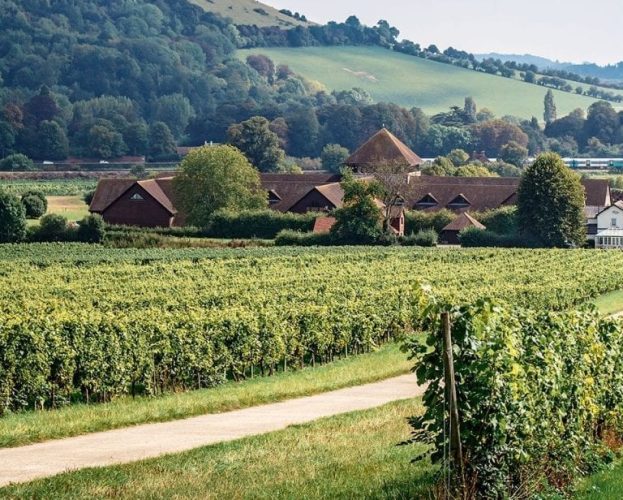
Auckland’s other two starred restaurants are on Waiheke Island, a short ferry ride across the Hauraki Gulf. Mudbrick and The Estate, at Tantalus Estate, both hold a Michelin star, and the island’s vineyards, beaches and cellar doors make a day trip one of the most rewarding excursions from the city. Ferries leave regularly from the downtown terminal, and the crossing takes around 40 minutes. For more on the island, see our guide to Auckland and Waiheke.
Bib Gourmands and the neighbourhood table
Auckland’s 13 Bib Gourmands give the city real depth at more modest prices. They include Apéro Food & Wine and Atelier, both with French influences, Bianca, Boda and Bistro Saine, inside Hotel Indigo, which was also named Hotel Restaurant of the Year at the 2026 Cuisine Good Food Awards. For travellers staying in the city centre, Bistro Saine is a convenient choice for a relaxed dinner with colleagues.
The wider Michelin selection reflects Auckland’s diversity, with Indian, Spanish and Middle Eastern restaurants among its listed names, including 1947 Eatery, a popular Indian restaurant.
Dominion Road and the global table
Auckland’s immigrant communities have given it the most diverse food scene in New Zealand. Dominion Road, which runs south from the city centre through Mount Eden, is lined with Chinese restaurants, dumpling houses and noodle shops serving regional cooking from across China, and an evening exploring its restaurants is one of the most rewarding ways to eat in the city.
Parro, on Dominion Road, was named Metropolitan Restaurant of the Year at the 2026 Cuisine Good Food Awards for its outstanding food, hospitality and consistency. Elsewhere, the city’s Korean, Japanese, Indian, Thai and Pacific restaurants make it easy to eat well at almost any price.
The Pacific table
Auckland is home to the largest Pacific Island population of any city in the world, with communities from Samoa, Tonga, the Cook Islands, Niue, Fiji and beyond, and their food is an essential part of the city’s identity. Dishes such as oka, or ika mata, raw fish marinated in citrus and coconut cream, palusami, taro leaves baked with coconut cream, and chop suey, a Pacific take on noodles and meat, appear at family celebrations, markets and a growing number of restaurants.
The Saturday morning flea market at Ōtara, in South Auckland, is one of the liveliest places to taste Pacific and Māori street food, with stalls selling everything from fried bread and coconut buns to fresh seafood. Each March, the Pasifika Festival brings music, dance and food from across the Pacific to the city. For travellers, these experiences offer a side of Auckland that few visitors see, and they help explain why Tala’s success means so much to the city.
Seafood and the waterfront
Auckland’s position between two harbours, the Waitematā and the Manukau, gives it access to an exceptional range of seafood. Snapper, tarakihi, green-lipped mussels, oysters and crayfish appear on menus across the city, and the Auckland Fish Market, in the Wynyard Quarter on the waterfront, is the place to see the day’s catch and to eat it fresh.
The Viaduct Harbour and Wynyard Quarter, once working wharves, are now lined with restaurants, bars and cafés with views across the water, and they are a pleasant setting for a lunch or an evening drink after a day of meetings.
Coffee, brunch and markets
Aucklanders take their coffee seriously, and the flat white, the espresso drink with velvety steamed milk that New Zealand and Australia both claim as their own, is the order of choice. Brunch is a weekend institution, and the cafés of Ponsonby, Grey Lynn and Parnell serve generous plates of eggs, avocado, smoked fish and sourdough.
At weekends, the city’s farmers’ markets bring together growers, bakers and producers from across the region, and they are a good place to try local cheeses, honey, including the famous mānuka honey, and seasonal fruit.
Wine and the evening
Auckland’s restaurants pour wines from across New Zealand, from Marlborough Sauvignon Blanc and Central Otago Pinot Noir to the reds and Chardonnays of Hawke’s Bay and the boutique wines of Waiheke Island. The city’s wine bars, many of them in Ponsonby and the city centre, are relaxed places for a glass with colleagues after work, and New Zealand’s craft beer scene is well represented in its pubs and taprooms.
Planning a table
Auckland’s starred restaurants are small, and the most popular tables, particularly Tala, need booking several weeks ahead, longer in the summer months from December to February. Opening days vary, and several restaurants open only part of the week, so check before planning an important dinner. Tipping is not expected in New Zealand, though rounding up for good service is appreciated.
Auckland Airport is around 30 to 45 minutes from the city centre by road, depending on traffic, and the SkyBus and taxis make the journey straightforward.
The verdict
Auckland has emerged as one of the most exciting food cities in the Pacific, with five Michelin-starred restaurants, a world-first Samoan star and a food culture shaped by communities from across Asia and the Pacific.
Book Tala for the dinner that counts most, Ahi for a showcase of New Zealand produce, Paris Butter for an elegant evening in Herne Bay, Cocoro for Japanese precision, Parro on Dominion Road for the city’s most celebrated neighbourhood table, and a ferry to Waiheke for an afternoon among the vines. Reserve the top tables well ahead.
Opening days and prices were checked in November 2026 and can change. Confirm directly with each restaurant before booking.
Comments