

Istria, the heart-shaped peninsula at the northern tip of the Croatian Adriatic, has quietly become one of the most rewarding food regions in the Mediterranean. Centuries of Venetian, Austro-Hungarian and Italian influence have shaped a cuisine of truffles, olive oil, fresh seafood and hearty inland dishes, and the region’s restaurants now attract international attention. The Michelin Guide 2026 selection for Croatia brought a new star to Harry’s Piccolo in Poreč, giving Istria four starred restaurants, and Agli Amici Rovinj kept its two stars as the most decorated restaurant in the country.
For travellers, Istria is easy to reach in season, with flights to Pula from several UK airports, and its compact size means the coast and the hill towns of the interior are rarely more than an hour’s drive apart. What follows is organised by the kind of meal you are after, starting at the top.
Rovinj: Croatia’s gastronomic capital
Rovinj, a pastel-coloured fishing town on a small peninsula crowned by the church of St Euphemia, has become the gastronomic capital of Croatia, with three of Istria’s four starred restaurants. Agli Amici Rovinj, brought to the town by Emanuele and Michela Scarello of the celebrated Agli Amici in Udine, holds two stars, the highest rating in the country, and its refined cooking, rooted in the traditions of north-east Italy and the Adriatic, makes it the choice for the dinner that matters most on a visit.
Monte, perched just below the old town, was the first restaurant in Croatia to win a Michelin star, and it keeps its place in the 2026 guide. It also received the guide’s Service Award this year, recognising the warmth and polish of its dining room. Cap Aureo, which won its star in 2025, completes Rovinj’s trio, with a creative menu that draws on both the coast and the inland hills.
Poreč and the newest star
Poreč, further north along the coast, is known for the Euphrasian Basilica, a UNESCO World Heritage Site with remarkable sixth-century mosaics. In the 2026 guide, Harry’s Piccolo Poreč earned its first star, making it Istria’s newest starred restaurant and a strong reason to plan an evening in the town.
Poreč also gained a new recommendation in the guide with JAZ by Ana Roš, from the acclaimed Slovenian chef, while Riva Lounge in Rovinj was also added to the selection. Together they show how quickly the region’s dining scene is growing.
White truffles and the Motovun forest
Istria’s most famous ingredient grows underground. The oak woods of the Mirna valley, below the hilltop town of Motovun, are among the most important truffle grounds in Europe, producing both black truffles and the prized white truffle, which is in season in the autumn. Truffle hunters and their dogs work the forest at dawn, and several families offer truffle hunting experiences for visitors.
In the hill towns and konobas, the traditional taverns of the interior, truffles are shaved generously over fuži, the twisted Istrian pasta, and over scrambled eggs or steak. Autumn is the time to visit for truffles, when the region’s truffle festivals bring them onto every menu.
Olive oil and the hinterland
Istria’s olive oil has an international reputation, and the region’s producers regularly feature among the top-rated in the world in Flos Olei, the respected international olive oil guide. The groves stretch across the western half of the peninsula, and many producers welcome visitors for tastings, often with local cheese, prosciutto and bread.
Istrian prosciutto, air-dried in the bora wind and seasoned with salt, pepper and herbs, is the region’s cured ham and a fixture of every antipasto plate. Boškarin, the indigenous grey Istrian ox, has been revived as a prized source of beef, and it appears on menus as carpaccio, stews and slow-cooked dishes.
The konoba and the Istrian table
Not every memorable meal in Istria carries a Michelin symbol, and the konoba is the heart of the region’s dining culture. These family-run taverns, often in old stone buildings in the hill towns, serve hearty, seasonal food: maneštra, a thick bean and vegetable soup, fuži with game or truffles, and slow-cooked meats cooked under a peka, a bell-shaped iron lid covered with hot embers.
The Michelin Guide recognises two of them with a Bib Gourmand, the award for good cooking at moderate prices: Alla Beccaccia in Valbandon, near Fažana, and Konoba Malo selo near Buje. Both are good examples of the generous, unpretentious cooking that makes the interior so rewarding.
Seafood from the Adriatic
Along the coast, seafood dominates. Scampi from the Kvarner Gulf, often served simply grilled or in a buzara, a sauce of wine, garlic, tomato and breadcrumbs, are among the most prized shellfish in the Adriatic. Oysters and mussels from the Lim Channel, a narrow fjord-like inlet between Rovinj and Vrsar, are farmed in its clean, cool waters and served across the region.
Fresh fish, grilled whole with olive oil and served with blitva, a simple dish of chard and potatoes, is the classic coastal meal, and the harbourside restaurants of Rovinj and Poreč make an ideal setting for a lunch with colleagues.
Pula, Fažana and the Brijuni islands
At the southern tip of the peninsula, Pula is Istria’s largest city and the gateway for most visitors arriving by air. Its Roman amphitheatre, one of the most complete surviving examples in the world, still hosts concerts and film screenings in summer, and the surrounding streets of the old town are lined with cafés and small restaurants. The city’s covered market, a handsome iron and glass building, sells fish, cheese, prosciutto and seasonal produce from across the region.
A short drive north, the fishing village of Fažana is known for its pilchards, the small, oily fish that have been caught in these waters for generations, and its harbourside taverns serve them grilled or marinated with a glass of local white wine. From Fažana, boats cross to the Brijuni islands, a national park of parkland, Roman ruins and wildlife that was once the summer residence of Yugoslavia’s President Tito. A morning on the islands followed by a seafood lunch in Fažana makes an easy outing for travellers with a free day.
Wine: Malvazija and Teran
Istria’s wines are one of the region’s quiet pleasures, and they performed strongly at the Decanter World Wine Awards 2026, where the region won 103 medals. Malvazija Istarska, the region’s signature white grape, produces fresh, aromatic wines that suit the local seafood, as well as richer, skin-contact styles. Teran, the local red, is vibrant and slightly peppery, and it pairs well with prosciutto, game and truffle dishes.
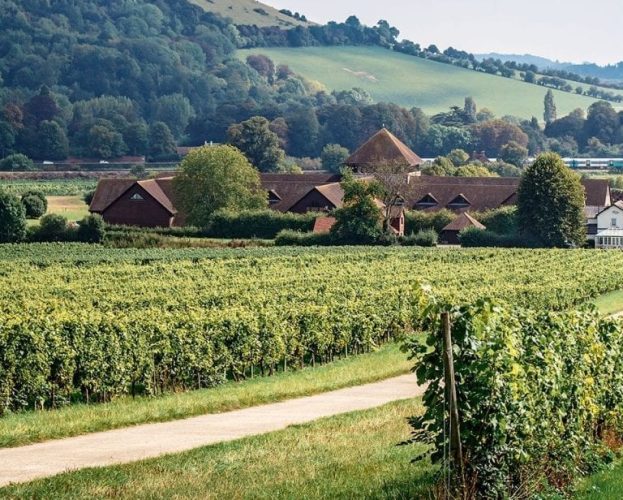
Many wineries in the hills around Motovun, Buje and Poreč welcome visitors for tastings, often with views across the vineyards to the sea. Istria also produces grappa-style spirits, known locally as rakija, flavoured with herbs, honey or mistletoe, and a small glass is often offered at the end of a meal in the konobas of the interior.
Planning a table
Istria is busiest in summer, from June to September, when the coast fills with visitors, and the starred tables in Rovinj and Poreč need booking well ahead at that time of year. Autumn, when the truffle season begins and the crowds thin, is an excellent time to visit for food. Many restaurants close or reduce their hours in winter, so check opening dates before planning a trip outside the main season.
A hire car is the easiest way to explore the peninsula, and the drive from Pula airport to Rovinj takes around 40 minutes.
The verdict
Istria offers travellers a rare combination: a coast of fishing towns with Michelin-starred tables, a hinterland of hill towns, truffle forests and olive groves, and a konoba culture that keeps the region’s food rooted in tradition.
Book Agli Amici Rovinj for the dinner that counts most, Monte for a polished evening with guests, Cap Aureo or Harry’s Piccolo for the region’s newest cooking, a konoba in the hills for fuži with truffles, and an olive oil tasting for the afternoon in between. Reserve the starred tables well ahead in summer.
Opening days and prices were checked in November 2026 and can change. Confirm directly with each restaurant before booking.
Comments