Adam’s keys to success:

April seasonal recipes · French recipes
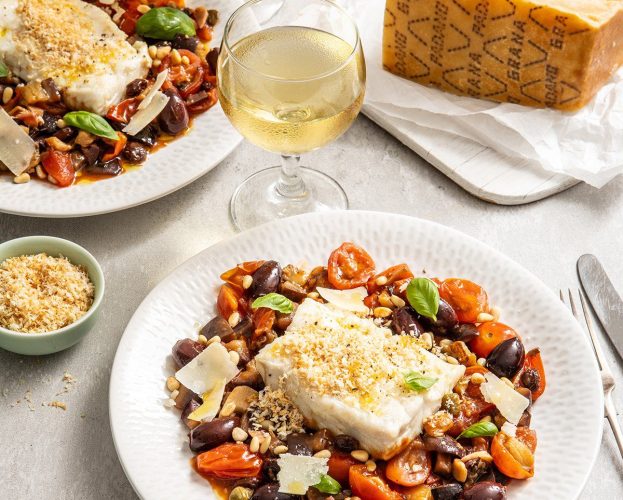
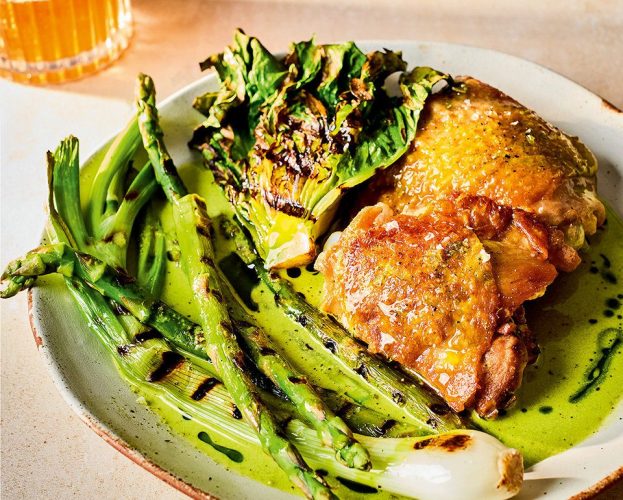
Confit cod with watercress velouté
Top chef Adam Byatt shares his culinary know-how in this recipe for confit cod served with silky watercress velouté. Here’s why this recipe gives you Michelin-worthy results… Brining fish: Brining the cod removes moisture, increases flavour, imparts seasoning from the inside out and firms up the flesh. How to confit: Adam uses olive oil in this recipe, to confit the fish at a low temperature for a short period of time. This process gives you real control over the cooking temperature. Confiting gives the fish a fantastic texture, keeping the flesh rich and moist. Next-level sauce: Start by slowly cooking the onions and potatoes with salt. Go gently and this base will yield a velvety sauce packed full of flavour. Learn more Michelin-level skills from chef Adam on our YouTube channel.
Serves4
Hands-on30 min
Oven1 hour
DifficultyChallenge
Method
Begin by making the herb powder if you’re using it. Put all the ingredients in a dehydrator (many air fryers have a dehydrate setting) and dehydrate completely at 55°C. The time this takes will depend on your equipment. Once it’s fully dry, put everything in a blender or spice grinder and whizz to a fine powder. Set aside until needed.
To make the sauce, add the butter to a large heavy-based saucepan over a medium heat. Add the onion, potato and garlic, then season with a large pinch of sea salt flakes. Leave to gently cook for 15-20 minutes, stirring every now and then.
Pour in the wine, bring to a simmer and cook until it has reduced completely (a few minutes). Add the fish stock, simmer for 3 minutes, then add the double cream and simmer for another 3 minutes. Transfer the mixture to a blender, add the oysters, if using, then whizz until smooth. Add the watercress and whizz on high speed for 2-3 minutes. Strain the sauce through a fine sieve into a bowl or jug set in a bowl of ice, then cover and reserve in the fridge until needed.
For the cod, add the salt flakes to a saucepan with 500g water. Heat, stirring, until all the salt is fully dissolved. Allow the brine to cool fully, then chill in the fridge.
Add the cod fillets to the cold brine for 10 minutes. Drain the brine away, then submerge the cod in fresh water to wash away any remaining brine. Dry well with kitchen paper.
Pour both oils into a medium saucepan over a medium heat. Use a thermometer to keep an eye on the temperature; once it hits 60°C, gently lower in the cod fillets. Cook for 10-12 minutes, keeping an eye on the oil temperature and adjusting the heat as needed. After 10 minutes, push in the probe to check the internal temperature. If it’s reached 55°C, the fillets are ready – lift them out with a slotted spoon. If not, check again in another minute. Meanwhile, gently reheat the watercress sauce.
Gently peel the skin from the cod fillets then, if you’re using it, lightly dust the top of each one with the herb powder using a muslin bag or fine sieve (as you would with icing sugar). Flood each serving dish with the watercress sauce, then gently sit the cod in the centre. Drizzle with a little more olive oil and serve with the buttered potatoes on the side.
Nutrition
| Calories | 508kcals |
|---|---|
| Fat | 32g (19g saturated) |
| Protein | 38g |
| Carbohydrates | 14g (4.3g sugars) |
| Fibre | 3.2g |
Quick wins, tips & make ahead
Cook the onions for long enough to bring out their sweetness.
Reduce the wine until there’s no liquid left in the pan.
Work your blender hard to really break down the watercress and create a harmonised texture.
To take this recipe to yet another level, I like to shuck a couple of oysters and whizz them up in the sauce to give it a bit of salinity and extra depth, but that’s up to you – it’s still a great sauce without them.
It really is worth chilling the sauce over a bowl of ice, straight after cooking – even if you’re intending to serve it right away. It means the sauce will retain its bright green colour and freshness.
Next time You can flavour the oil you’re using to confit the cod with garlic, herbs and lemon zest – they’ll all impart subtle flavour to the fish.
Easy swaps You could make this with halibut, sea bass or another white fish – just avoid oily fish such as trout, salmon, sardines and tuna.
Don’t waste it Keep the oil for confiting more fish this way, or use it to fry fish or fishcakes – the mixture of oils should have a smoke point of over 180°C so you can use it for gentle frying.
Rate & review
If you loved this
See all →More april seasonal recipes
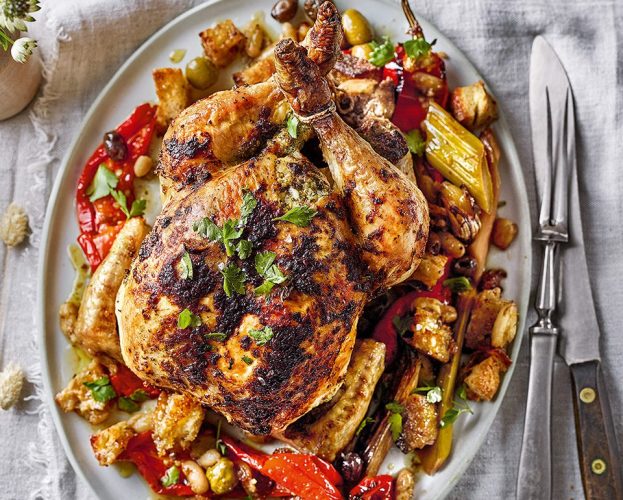
Roast chicken with leeks, peppers and olives
🍽 Serves 4-6◆ Easy
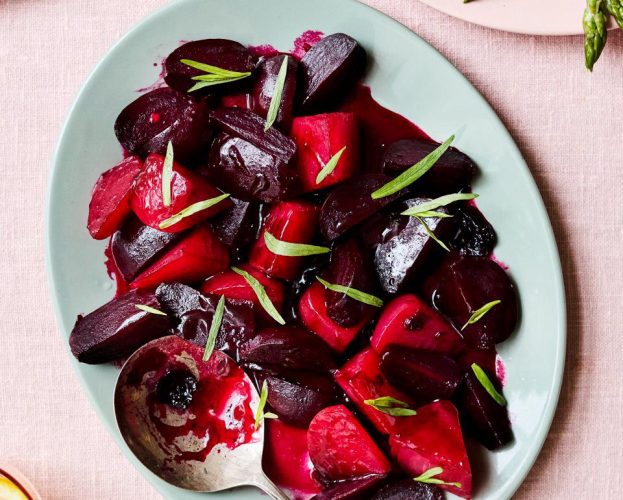
Coffee-baked beetroot with berry glaze
🍽 Serves 6 as a side◆ Easy
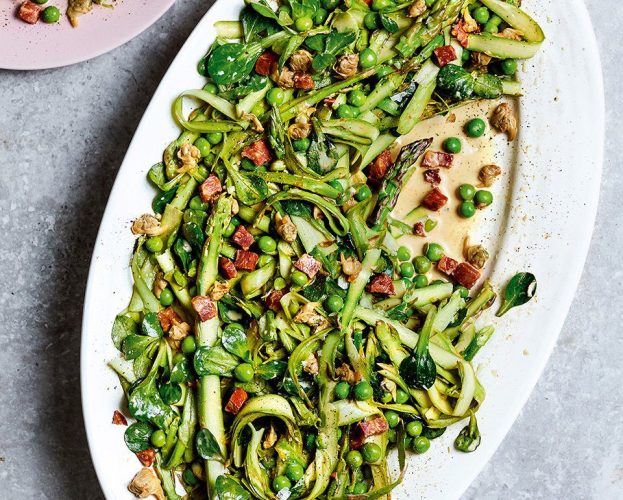
Asparagus, chorizo, pea and pickled cockle salad
🍽 4 servings

Steamed carrots with spring onion and chive butter
🍽 Serves 4-6 as a side◆ Easy
Keep browsing